Cases

Systems in production, in real companies.

One per process, grouped by area. Each one tells what was there before and what happened after.

  1. 01 Wholesale distributor of cleaning products
  2. 02 Distributor of hardware and plumbing supplies
  3. 03 Electromechanical engineering and installation company

Scroll to go through the three cases ↓

01 of 03

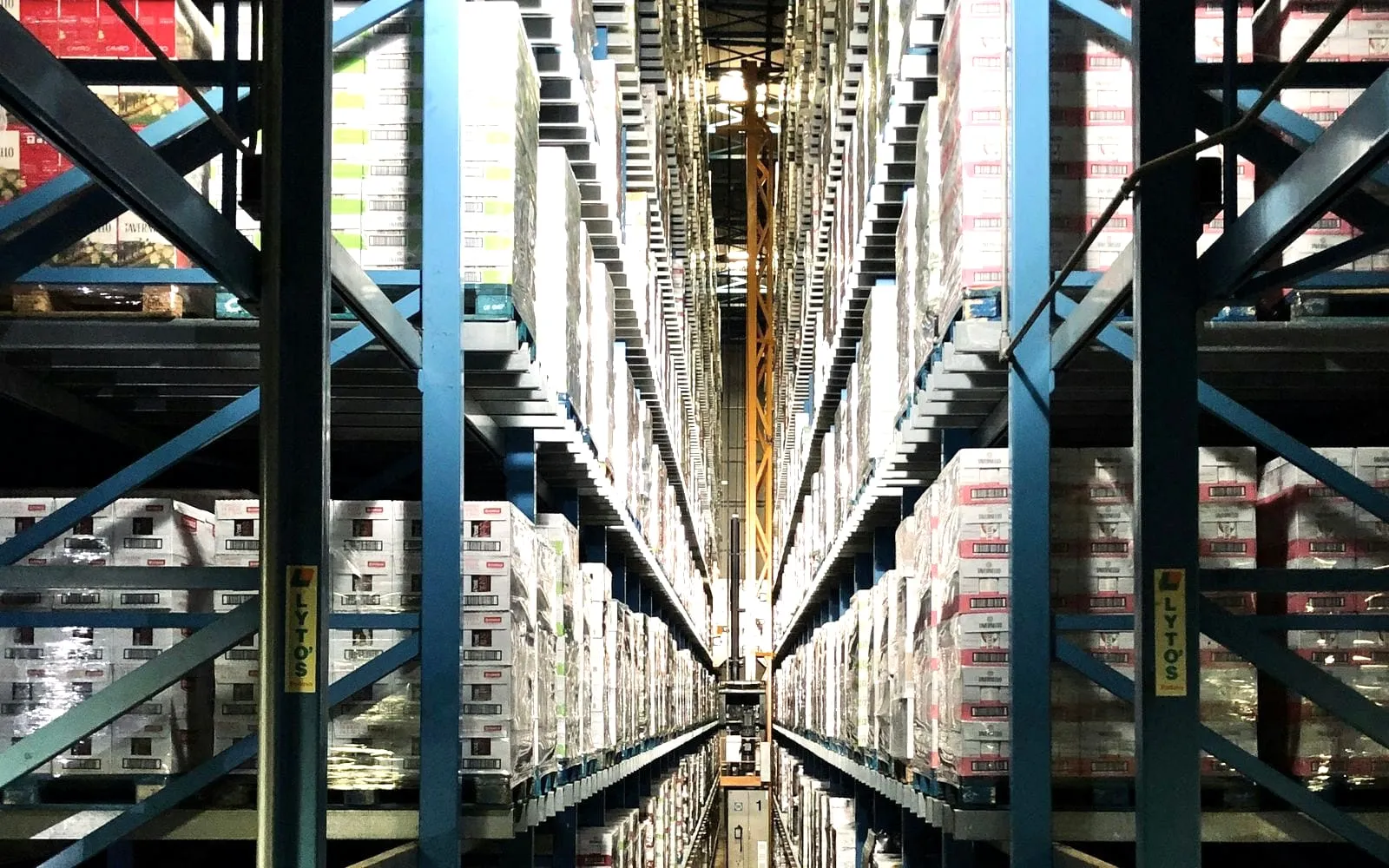
Wholesale distribution · Wholesale distributor of cleaning products

Four out of ten orders arrived after 6pm. Now they load on their own.

The order comes in over WhatsApp, in whatever format it arrives. The system checks it against the current price list, confirms it with the customer and loads it into Tango. It flags only what doesn't add up for review.

See the full case

02 of 03

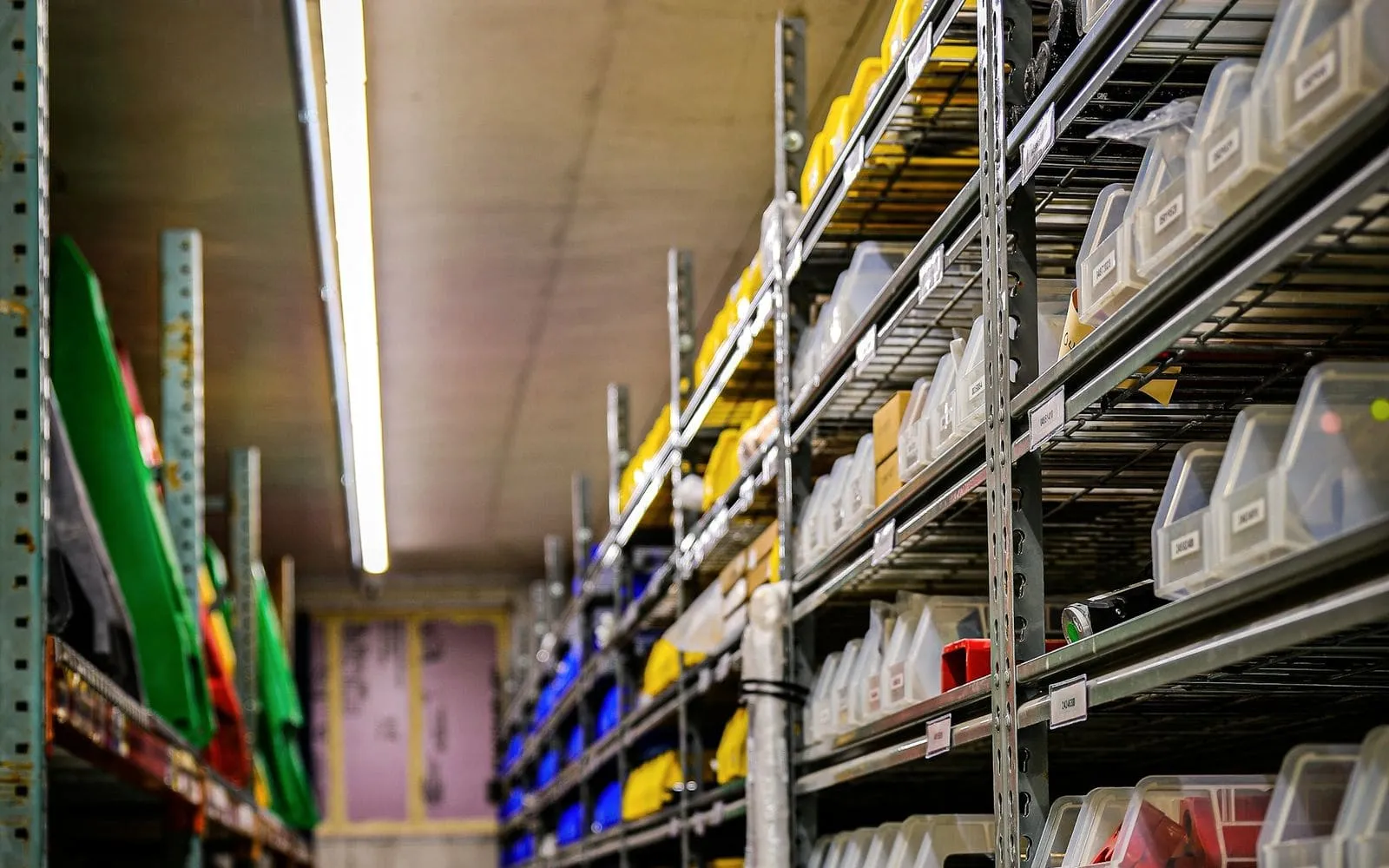
Distribution · Distributor of hardware and plumbing supplies

100 prices got checked a week. The other 3,700, never.

The system crawls competitor sites every day, matches each product to its own, and flags it when the gap crosses that category's threshold. Whoever sets prices changes them or doesn't.

See the full case

03 of 03

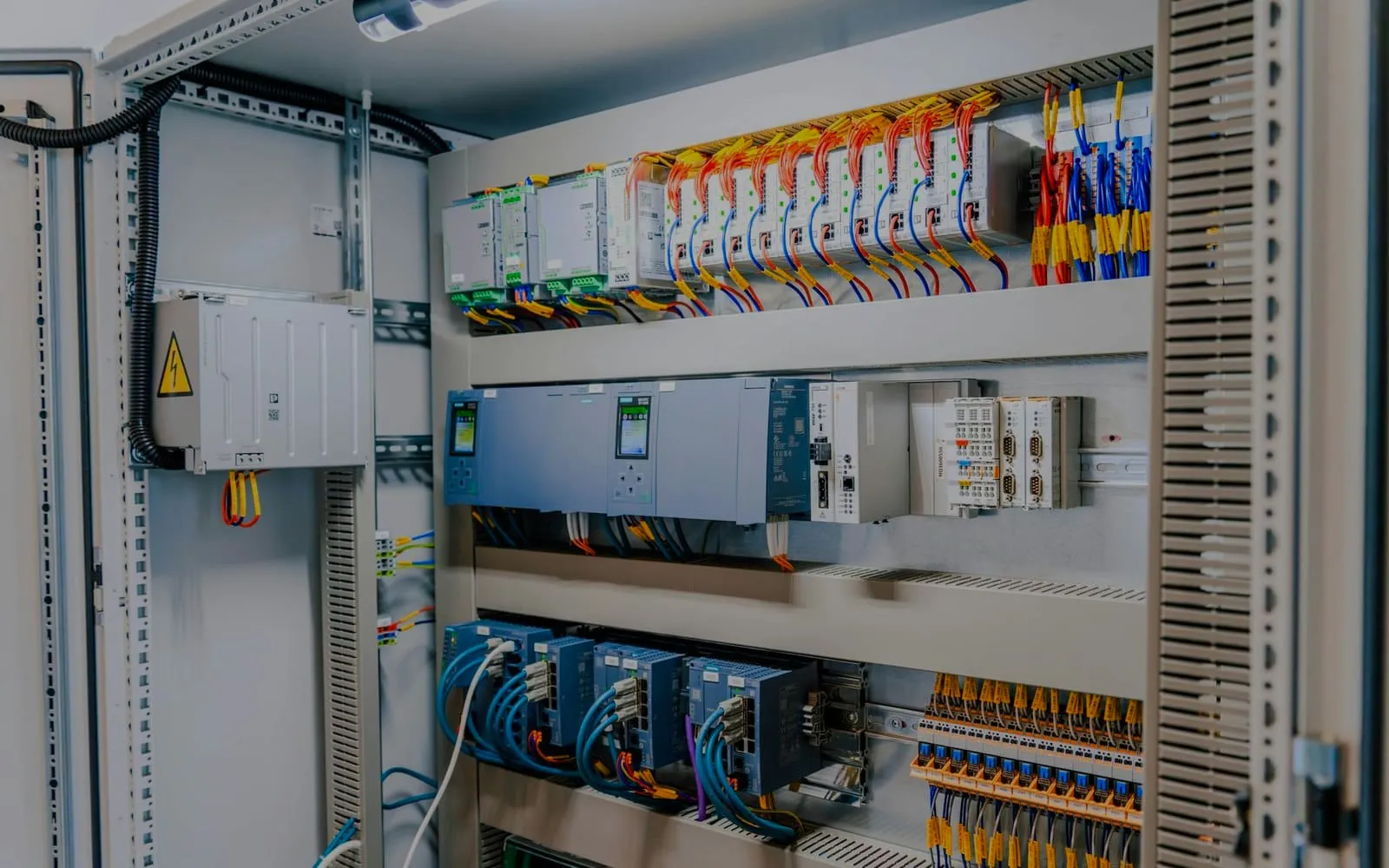
Engineering and tenders · Electromechanical engineering and installation company

They bid on three tenders a month. Now they bid on nine, with the same people.

Three steps, one chain: the system crawls the portals every day, pulls deadlines, requirements and amounts from the tender document into a spreadsheet with a link to the paragraph, and drafts the proposal. The two people in the tenders team review and sign.

See the full case

One by one

Open the one that looks like yours.

9 cases in detail: the industry, what was there before and what happened after.

All the cases

By area, one per capability.

39 systems in production, grouped by area of the business.

Sales and customers 11 cases

  • WhatsApp service and order taking Wholesale distribution · Wholesale distributor of cleaning products Four out of ten orders arrived after 6pm. Now they load on their own. See the full case
  • Quoting and proposal assembly Manufacturing · Aluminum window and door factory Small quotes went unanswered. Now they all get answered. Read the case Close

    Córdoba · 22 people · 90 quote requests a week.

    What showed up. Of 90 weekly quote requests, 31 got answered. The other 59 were the small ones, under ARS 500,000: building one took half an hour and wasn't worth it. A third of the small ones were a new customer who never wrote back.

    What we built. The request comes in by email or WhatsApp, with a drawing, photo or handwritten measurements. The system pulls out measurements, window type and quantity, builds the draft with the current price list and drops it in the salesperson's inbox, who reviews and sends it.

    What happened. Median time from request to quote sent: from 2.5 days to 4 hours. Of the small quotes that didn't exist before, 27% turned into a sale within 30 days.

    Integrated with Email · WhatsApp · price list · in-house management system.

  • Customer follow-up and reactivation Distribution · Distributor of food-service supplies Nobody knew which customer was slipping away until they were already gone. See the full case
  • Appointment, visit and delivery reminders Healthcare · Diagnostic imaging center Half of appointments got confirmed, at 6pm the day before. Now they all get confirmed, 48 hours ahead. Read the case Close

    Mendoza · 3 locations · 1,100 appointments a week.

    What we built. The system reads the schedule and messages 48 hours ahead. The patient confirms or reschedules in the same chat. Anyone who doesn't reply within 24 hours gets a second message, and if they still don't reply, their slot goes to the waiting list and is offered to the next patient. Reception only sees the ones who didn't respond.

    What happened. Confirmed appointments: from 52% to 100%. Slots refilled from the waiting list: 140 a month. The receptionist at the main location stopped making calls at 6pm.

    Integrated with WhatsApp · the appointment system they already used.

  • After-sales E-commerce · Online furniture store “Where's my order?” was 63% of messages, and the answer took six hours. Read the case Close

    Buenos Aires City · 11 people · 900 orders a month.

    What we built. The message comes in, the system identifies the order by phone number or order number, checks the status in the store and with the carrier, and answers with the info. A real complaint (damage, missing item, failed delivery) goes to a person with the order identified, the photo and the history already built.

    What happened. 71% of inquiries get resolved without a person. Complaints arrive with the full file and get answered the same day. The salesperson who handled after-sales went back to selling.

    Integrated with WhatsApp · Instagram · Tiendanube · Andreani.

  • New customer onboarding Financial services · Non-bank lender that gives credit to retailers Sign-up stalled on whatever document was missing. Nobody asked for it in time. Read the case Close

    Buenos Aires · 30 people · 180 sign-ups a month.

    What we built. When the application comes in, the system asks for what's missing over WhatsApp, verifies what arrives (CUIT, registration certificate, bylaws in force), follows up on day two and day five, and notifies the analyst when the file is complete. The analyst approves or rejects it.

    What happened. Sign-ups reaching the analyst with incomplete documents: from 64% to 9%. Sign-ups abandoned along the way: from 31% to 14%.

    Integrated with CRM · WhatsApp · the files folder.

  • Lead qualification and routing to the right rep Energy · Solar energy company for small businesses and farms The lead that came in Friday at 7pm got read by someone Monday at 10am. See the full case
  • Cart recovery and e-commerce follow-up E-commerce · Online store for motorcycle parts Nobody wrote to the people who left a cart behind. It was money left lying there. Read the case Close

    Rosario · 8 people · 2,100 abandoned carts a month.

    What showed up. Of the 2,100 carts, 640 were over ARS 30,000 and added up to ARS 41 million a month. Nobody did anything about it.

    What we built. When a cart passes the minimum and two hours go by, the system writes once, mentioning what the person looked at and a concrete question: “you looked at the transmission kit for the Tornado — should I confirm it's the 2019 model?”. It doesn't push. If the cart is over ARS 200,000 or it's a customer who's already bought, it notifies the salesperson to write instead.

    What happened. Orders recovered: 11% of contacted carts, ARS 4.3 million a month.

    Integrated with Tiendanube · WhatsApp.

  • Multilingual customer service Manufacturing, exports · Manufacturer of bakery equipment Inquiries in Portuguese got answered in Spanish, or not at all. Read the case Close

    Santa Fe · 45 people · exports to Brazil and Paraguay.

    What showed up. 38 inquiries a month came in in Portuguese. 60% went unanswered. The ones that did get a response took two days.

    What we built. The system answers in the customer's language with the export price list, terms and lead times, and when the conversation is ready to close, it hands it to the export salesperson with a summary in Spanish.

    What happened. Portuguese inquiries handled: from 0 to 38 a month, first response in 4 minutes.

    Integrated with WhatsApp · email · export price list.

  • Price and competitor monitoring Distribution · Distributor of hardware and plumbing supplies 100 prices got checked a week. The other 3,700, never. See the full case
  • Voice-of-customer analysis Manufacturing and direct sales · Mattress manufacturer selling online and to furniture stores Nobody had read the year's 9,400 conversations. Not out of neglect: it's 9,400 of them. Read the case Close

    Greater Buenos Aires · 60 people · 9,400 conversations a year on WhatsApp, Instagram and Mercado Libre.

    What showed up. The system read the 9,400 conversations from August 2025 to July 2026 and classified them. Four findings: 18% went unanswered within 24 hours. 1,100 inquiries (12%) asked for a size the company didn't make, 1.60m wide. Median first response was 5 hours, and nobody answered between 5pm and 9pm. And a single model accounted for 41% of warranty claims on 9% of sales.

    What we built. Every night the system pulls in new WhatsApp and Instagram conversations and Mercado Libre reviews, classifies them and updates a dashboard: what's being asked for, what's falling through, how long it takes, what people complain about and for which product. When one reason spikes more than usual in a week, it notifies whoever runs sales. The owners make the decisions with the dashboard in front of them.

    What happened. They added the 1.60m size to two lines. They switched foam suppliers for the model with complaints. They put two people on the afternoon shift. None of the three decisions had been on the agenda before reading.

    Integrated with WhatsApp · Instagram · Mercado Libre · ERP.

Administration 10 cases

  • Collections Distribution · Veterinary products distributor The 30 big debtors got called. The 400 small ones added up to more, and nobody called them. See the full case
  • Supplier invoice reading Retail · Chain of five neighborhood supermarkets One person typed invoices six hours a day. Now they review them. Read the case Close

    Tucumán · 5 stores · 2,400 supplier invoices a month.

    What we built. The invoice arrives as a PDF or photo by email. The system extracts the data, validates it against the supplier master and the purchase order, and loads it into the ERP. It flags what doesn't add up: a supplier that isn't registered, a CUIT (tax ID) that doesn't match, an amount that differs from the order. The person only looks at the flagged ones, 9%.

    What happened. 31 invoices a month now show up with discrepancies at load time, discrepancies that used to surface at payment, or not at all. The person who used to load invoices now handles supplier reconciliations, which were three months behind.

    Integrated with Email · ERP.

  • Automatic reports with alerts Distribution · Beverage distributor with three channels The owner found out a channel had dropped 14% when the month closed. Now he finds out the next day. See the full case
  • Invoice-to-purchase-order reconciliation Manufacturing · Food processing plant 15% of invoices got checked against their purchase order. The rest got paid on trust. See the full case
  • Bank reconciliation Logistics · Last-mile logistics company The close used to take four days. Now it takes one morning. Read the case Close

    Buenos Aires City · 4 bank accounts and Mercado Pago · 6,500 transactions a month.

    What we built. Bank statements, invoices and payments feed into the system. It cross-checks by amount, date, reference and CUIT, matches what fits and flags the doubtful ones with a probability. Treasury approves or corrects the flagged matches and resolves the 18 that are left.

    What happened. Days for the monthly close: from 4 to 1. Two automatic debits for services that had been cancelled turned up, still being paid for 14 months.

    Integrated with Online banking (export) · Mercado Pago · ERP.

  • Expense control and reimbursements Services · Technical services company with 40 field technicians Administration typed up 600 expense reports a month. Now the receipt photo comes in and files itself. Read the case Close

    40 field technicians · 600 expense reports a month.

    What we built. The technician sends a photo of the receipt. The system extracts date, amount, category and CUIT (tax ID), categorizes it, checks it against the expense policy (amounts, categories, hours) and loads it. It only flags for administration what doesn't comply: the duplicate receipt, the $80,000 dinner, the Sunday expense.

    What happened. In the first month, 23 duplicate receipts and 40 out-of-policy expenses, which used to get paid. Technicians now get reimbursed within a week instead of 40 days.

    Integrated with WhatsApp · ERP.

  • Margin analysis by product and by customer Manufacturing · Plastic packaging factory Nobody knew which customers were losing them money. There were 14. Read the case Close

    Buenos Aires · 90 people · 310 customers · 450 products · ERP, cost spreadsheet and freight rate sheet.

    What showed up. In the first calculation, April 2026, 14 customers with negative margin. They billed ARS 210 million a year, 6% of the company. Another 41 customers with margin under 5%. The cause was always the same: trade discount plus volume discount plus freight over 400 kilometers plus a 90-day payment term. One of the 14 was among the ten biggest customers, and was the sales team's pride and joy.

    What we built. Every month the system cross-checks sales, price lists, discounts applied, actual cost per product, freight rate sheet and payment terms, and calculates the margin by customer and by product. It alerts whoever sets prices when a customer falls below the threshold, with the cause broken down. The commercial call stays with the person.

    What happened. 9 got renegotiated (price, or freight charged to the customer). 3 stopped being serviced. 2 had their payment terms changed. The salesperson handling the big customer had the conversation with the number in hand, and the customer stayed. Frequency: from yearly to monthly. Coverage: from product families to 310 customers × 450 products.

    Integrated with ERP · cost spreadsheet · freight rate sheet.

  • Data quality control in the ERP or CRM Import and distribution · Medical supplies importer The same customer lived in two systems under two different codes. Read the case Close

    Buenos Aires · 55 people · separate ERP and HubSpot.

    What showed up. The system went through the ERP's 9,200 records and the CRM's 5,100 companies. In the ERP, 1,340 duplicates (the same CUIT (tax ID) under a different name, or the same name with no CUIT). 22% had no CUIT. In the CRM, 2,700 companies had no match at all in the ERP. 38% of emails were invalid. And the “province” field had 61 different values for 24 provinces.

    What we built. The system goes through both databases, finds duplicates, blanks and made-up values, and proposes merges with a confidence level. High-confidence ones get approved in bulk; the doubtful ones are reviewed by a person, one by one, with both records side by side. Then it keeps running: every new record gets checked against what already exists, and it flags when someone's about to create a customer who's already there.

    What happened. CUIT became the key field in both systems. New records without a CUIT got blocked. And they found out the real active customer base was 4,900, not 9,200. This was the first project; collections and reactivation got built on top of it.

    Integrated with ERP · HubSpot.

  • CV screening and ranking Food service · Restaurant chain with 12 locations 400 CVs came in and the first 60 got read. The good candidate was number 312. Read the case Close

    Buenos Aires City · 12 locations · 3 searches a month · 400 CVs per search.

    What we built. HR writes the criteria (nine, for example: floor-service experience, weekend availability, location). The system reads every CV against those criteria and returns a shortlist of three with the reasoning for each one and which criterion they don't meet. The criteria stay in writing, which is what makes it auditable. HR does the interviews.

    What happened. Two of the first three hires came from CVs ranked past position 200. 90-day turnover for those searches dropped from 40% to 25%.

    Integrated with Job board · email · spreadsheet.

  • Employee onboarding and HR answers Services · Cleaning and maintenance company with 600 employees on client sites The same twenty questions, 380 times a month, to the same person. Read the case Close

    Greater Buenos Aires · 600 employees on client sites · 380 queries a month to one HR person.

    What we built. The employee writes over WhatsApp. The system answers with the written policy, sends the pay slip, explains how to request vacation. Whatever isn't written down gets passed to HR with the context.

    What happened. The effect nobody expected: 14 policies that didn't exist in writing got written, because the system needed them. The HR person now handles 70 queries a month, the ones that are real problems.

    Integrated with WhatsApp · payroll system.

Operations 6 cases

  • Email and inquiry triage and routing Distribution · Tire distributor The 7pm email used to wait until the next day. Now it's in the right inbox by 7:01. Read the case Close

    Córdoba · 210 emails a day in the general inbox.

    What we built. The system reads each email as it arrives, classifies it (order, quote, complaint, invoice, warranty, other), sends it to the right team with a two-line summary, and answers only what has a written answer: order status, hours, price list. Anything urgent (a complaint with the word “lawyer”, an order over ARS 2 million) also reaches the manager.

    What happened. Emails left unanswered past 24 hours: from 19% to 3%. Answered without a person: 34%. The person who used to sort the inbox now handles warranties.

    Integrated with Gmail · CRM.

  • Internal assistant over company documentation Industrial services · Industrial electrical installation company Two people knew everything, and everyone interrupted them. Read the case Close

    Rosario · 80 people · two senior technicians who know everything · documentation in Google Drive.

    What showed up. Loading the documentation showed that 30% of the procedures that “existed” weren't written down anywhere; they lived in the two seniors' heads. They got written.

    What we built. The system answers questions over manuals, procedures, the materials catalog and client files, and says where each answer came from. When it doesn't know, it says so and hands off to the senior; that's what makes it trustworthy. The new salesperson asks here before interrupting anyone.

    What happened. The two seniors report half the interruptions they used to.

    Integrated with Google Drive · WhatsApp.

  • Meeting minutes and follow-up Services · Marketing agency Meetings had no minutes, so decisions got argued again the following week. Read the case Close

    CABA · 35 people · 40 meetings a week.

    What we built. The meeting gets transcribed. The system builds a summary, decisions and tasks with an owner and a date, loads them into ClickUp and sends them to the participants. On Fridays it asks about the overdue ones.

    What happened. Tasks closed on time: 71%; there was no number before. The “let's see what we said” meetings disappeared. The team noticed on day one.

    Integrated with Google Meet · ClickUp.

  • Data entry between systems that don't talk Wholesale trade · Apparel wholesaler One person copied orders from the store to a spreadsheet, and from the spreadsheet to the ERP. Twenty-two hours a week. Read the case Close

    Buenos Aires · B2B store and ERP with no integration · 3,900 records a month.

    What we built. Orders from the store load into the ERP on their own, and contacts from email load into the CRM. The system flags what doesn't match: a product code that doesn't exist in the ERP, a price that differs between the two systems, a client with no account. A person resolves those, 4%.

    What happened. The person who used to do the entry now handles wholesale clients' running accounts. It's the least glamorous job of the lot, and the one that gave back the most hours.

    Integrated with B2B store · ERP · email · CRM.

  • Search across the company's history Industry · Custom steel structures manufacturer Every quote got built from scratch. Sometimes cheaper than the last one, without knowing it. Read the case Close

    Santa Fe · 12 years of folders · 3,400 quotes.

    What showed up. In the first week, three quotes from 2025 turned up 18% cheaper than an almost identical precedent from 2023, because nobody had searched.

    What we built. The system indexes PDFs, spreadsheets and emails from the folders, and searches by what's being asked for (“metal mezzanine, 200 m², with stairs”), not by file name. It returns the precedent with price, date, client and whether it was won. Whoever is quoting decides what to use.

    What happened. Time to build a quote with a precedent: from 3 hours to 40 minutes.

    Integrated with Google Drive · email · ERP.

  • Demand forecasting and replenishment Wholesale distribution · Cleaning and perfumery products wholesaler Buying was “like last month, plus a bit more just in case”. Read the case Close

    Mendoza · 35 people · 1,900 products · ERP.

    What showed up. 210 products with more than 120 days of stock, ARS 62 million tied up. 40 products running out every month, always the same ones, because the reorder minimum hadn't been touched since 2023. And the real lead time of three suppliers was double what was used to calculate it: 18 days, not 9.

    What we built. Every day the system cross-references daily sales, stock, each product's seasonality and each supplier's real lead time, and builds a purchase suggestion: what, how much and when, with the reasoning. The buyer reviews it and approves or changes it. It doesn't promise to get demand right; it promises that no product goes unchecked.

    What happened. Purchasing was cut on the 210. The minimum was raised on the 40. Lead time was renegotiated with two suppliers, with the data on their real deliveries in hand. Products with a calculated reorder: from 60 to 1,900.

    Integrated with ERP.

Documents and tenders 3 cases

  • Tender document reading Engineering and tenders · Electromechanical engineering and installation company They bid on three tenders a month. Now they bid on nine, with the same people. See the full case
  • Contract and policy data extraction Services · Road machinery rental company Nobody had the list of expiration dates. The 340 PDFs got read and 23 expired ones turned up. Read the case Close

    Buenos Aires · 340 contracts and policies in force, across Drive folders and three different people's email.

    What showed up. 23 expired contracts and policies, including two equipment policies for machinery on site with no coverage. 41 expirations in the next 90 days. 17 contracts with an automatic renewal clause, six of which were services no longer in use: ARS 4.2 million a year paid for not having read them.

    What we built. The system reads every contract and policy from the folders and emails, extracts parties, subject, amounts, expiration date, notice period and renewal clause, and builds the list. It alerts the person in charge at 60, 30 and 7 days, with the clause that applies and what needs to be done. Every new contract that comes in by email gets read and added. The decision to renew or cancel is made by a person.

    What happened. The 6 got canceled with the notice period in hand. 4 that were about to renew on the same terms got renegotiated. The two policies were issued within 48 hours. And one person was put in charge of expiration dates, which until then belonged to nobody.

    Integrated with Google Drive · email.

  • Contract version comparison Real estate · Real estate developer The contract that came back signed got a once-over. Nobody caught the change in the late-payment clause. Read the case Close

    Córdoba · 30 purchase agreements and contracts a month.

    What we built. The system compares the version that was sent with the one that came back and lists every change with the paragraph before and after. Nothing more: it doesn't interpret, it shows. The lawyer decides what gets accepted.

    What happened. Contracts compared in full: from “the important ones” to all of them. Review time: from 2 hours to 15 minutes.

    Integrated with Email · Google Drive.

By industry 9 cases

  • Routing and logistics planning Logistics · Frozen food distributor Routes were built once, in 2024, and repeated since. Today's orders aren't 2024's. Read the case Close

    Greater Buenos Aires · 9 trucks · 260 deliveries a day.

    What we built. At 6am the system takes the day's orders, each customer's delivery windows and each truck's capacity, and builds the routes. Dispatch reviews them, moves what it knows the system doesn't (the customer who won't take deliveries before 10am) and sends them to the drivers.

    What happened. Deliveries inside the time window: from 74% to 91%. They stopped using an outsourced truck on Mondays.

    Integrated with ERP · fleet GPS · driver app.

  • Predictive maintenance Industry · Food plant with three packaging lines The machine stopped when it broke, and that day was lost. Read the case Close

    Buenos Aires · three packaging lines · the data lived in the PLC and nobody pulled it out.

    What showed up. Two years of failure history showed that 60% of the main packaging machine's stops were preceded by the same temperature and cycle pattern, three days before.

    What we built. The system reads what the machine already generates (temperature, vibration, cycles per hour) and the failure history, and alerts maintenance when the pattern departs from normal for that machine. Maintenance decides whether and when to step in. It doesn't predict the failure; it flags that something changed.

    What happened. Five interventions made ahead of time in the quarter, during shift changes.

    Integrated with Line PLCs · maintenance spreadsheet.

  • Visual quality control Industry · Plastic auto parts factory 2% of each batch got inspected. The customer found the defect in part 340. Read the case Close

    Córdoba · 120,000 parts a month.

    What showed up. Looking at 100%, the real defect rate was 0.4%, not the 0.1% being reported: the sample missed it because defects clustered at the end of each shift.

    What we built. A camera on the line looks at every part. The system separates what fails and alerts the supervisor when a shift's rate climbs. The operator reviews the rejects and decides scrap or rework.

    What happened. Defects that reach the customer: from 0.4% to under 0.05%.

    Integrated with Line camera · quality system.

  • Export traceability and documentation Agriculture, export · Dried fruit exporter Every shipment needs ten papers, and each country asks for different ones. The one that was missing turned up at customs. Read the case Close

    Mendoza · 25 shipments a month to 8 countries.

    What we built. When a shipment is confirmed, the system builds the document list by destination, gathers what already exists (certificates, invoices, packing list), requests what's missing from the customs broker or from quality, and flags what's still missing five days out. The trade person signs and sends.

    What happened. Shipments delayed by paperwork: from 4 a month to 0. Hours per shipment: from 6 to 1.

    Integrated with Email · Google Drive · customs broker.

  • Claims management Insurance · Insurance broker The claim came in by email with three photos and an account, and someone typed it up. Now the system builds it. Read the case Close

    Buenos Aires City · 220 claims a month.

    What we built. The email comes in, the system builds the claim with the policy data, asks by WhatsApp for what's missing (the police report, the photo of the front, the estimate), and alerts the adjuster when the file is complete. It tracks status with the insurer and keeps the policyholder posted without being asked.

    What happened. Claims that reach the assessor with complete documentation: from 40% to 92%. “How's my claim going?” calls dropped by half.

    Integrated with Email · WhatsApp · the broker's system.

  • Appointments and billing for healthcare services Health · Dental center Half the appointments got confirmed, and health insurers got billed when there was time. Read the case Close

    Rosario · 4 chairs · 900 appointments a month.

    What we built. The system confirms every appointment 48 hours out and rebooks the gaps. And it tracks each service from when it's rendered to when it's paid: builds the billing to the health insurer, flags the rejected claims and resubmits them with what was missing. Admin looks only at the rejected ones, twice.

    What happened. Services unpaid past 60 days: from ARS 18 million to ARS 6 million. ARS 3 million in 2025 services written off as lost got collected.

    Integrated with WhatsApp · scheduling · health-insurer billing system.

  • Construction site tracking Construction · Construction company running six sites at once The delay showed up in the monthly progress certificate, a month later. Now it shows up on Friday. And the site's client gets it too. See the full case
  • Recipes, stock and waste Food service · Restaurant group with four locations Nobody knew where three out of every twenty kilos they bought ended up. Read the case Close

    Buenos Aires City · 4 locations · 60 dishes on the menu · Fudo POS, supplier invoices and a recipe spreadsheet.

    What showed up. In the first month, cross-checking recipes, purchase invoices and POS sales: 14.6% waste over purchases. In meat, 19%. Seven dishes with negative margin at real cost. And the best-selling dish on the menu left 8% margin, not the 62% the original spreadsheet said: the portion had grown and the meat supplier had changed.

    What we built. The system cross-checks three things every week: the recipes (what goes into each dish), the purchases (supplier invoices) and the sales (the POS). It calculates theoretical consumption against actual by ingredient and by location, works out the waste, and updates the real cost of each dish with the latest purchase price. It alerts the manager when an ingredient's waste spikes, and the owners when a dish falls below the minimum margin. They decide price and menu.

    What happened. Five prices went up. Two dishes had their portion changed. Two came off the menu. The meat supplier was changed, with the waste-by-cut data in hand. And every location manager now gets their location's waste every week, which used to be nobody's job. Real cost per dish: from once every two years to weekly.

    Integrated with Fudo POS · supplier invoices · recipe spreadsheet.

  • Compliance and regulatory reporting Transportation · Hazardous cargo trucking company The filing got built the week before it was due, with data from three areas. Sometimes it made the deadline. Read the case Close

    Buenos Aires · 14 regulatory filings a year · data in the ERP, operations spreadsheets and email.

    What we built. Every day the system gathers the operations, fleet and waste data each filing needs, and has it built ten days before it's due. It alerts the person in charge, who reviews, corrects and signs. Nothing gets filed without a signature.

    What happened. Days of lead time before it's ready: from 0 to 10. Hours to build it: from 3 days to 2 hours. It avoided a fine that the year before had cost ARS 6 million.

    Integrated with ERP · operations spreadsheets · email.

Let's talk

Are we the right fit for your company?

Tell us what's going on and we'll tell you frankly whether we can help, and how.

  • We reply within 24 business hours
  • The first conversation is free
  • We come prepared: you leave with three concrete things for this quarter, whether you continue with us or not.

Rather write?

We use your data only to reply. We don't share it or add you to any list unless you ask.